.png)


Will Interior Design Be Replaced by AI? Insights from Spruce Home

Updated: Oct 7, 2024
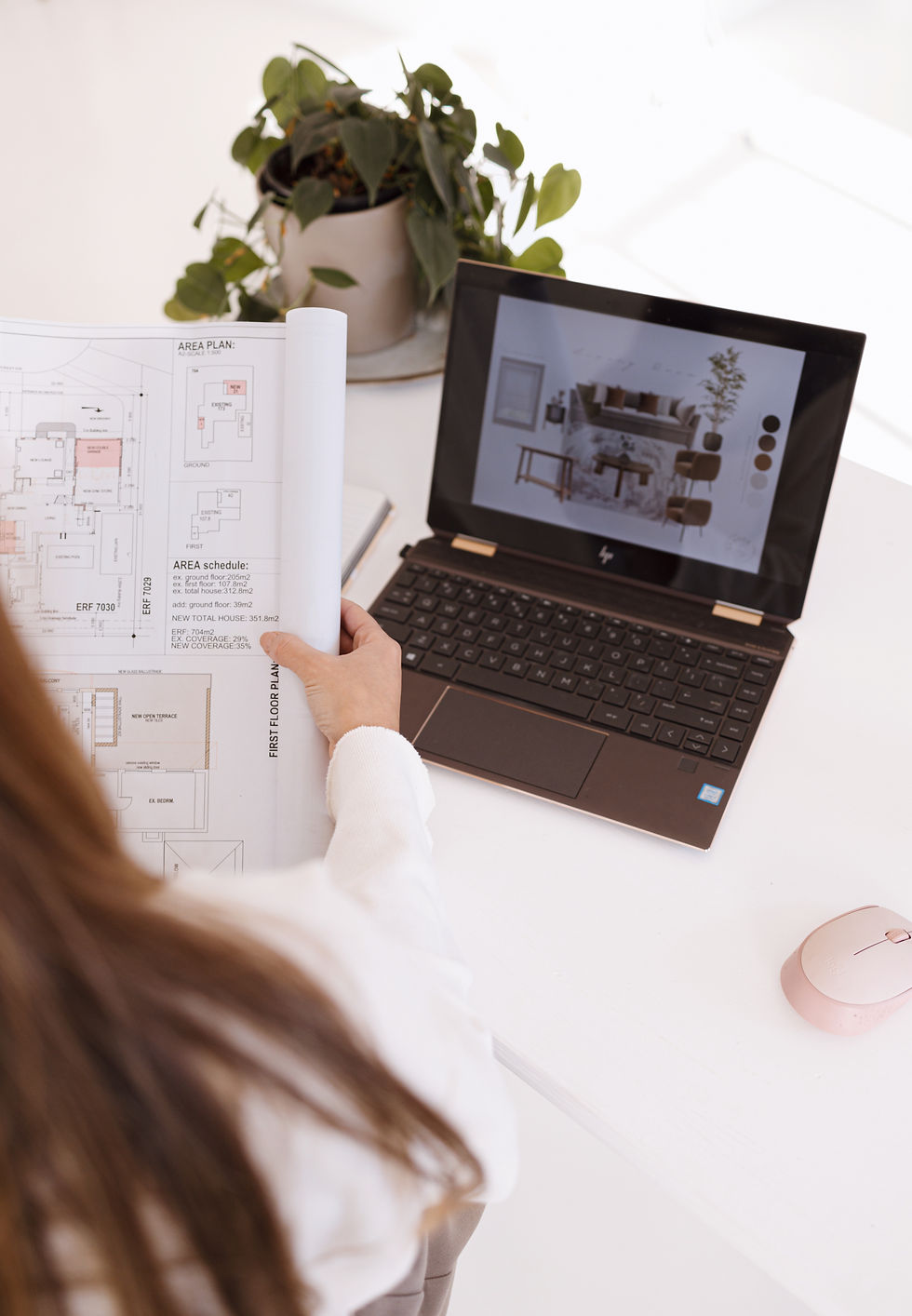
Hello, design enthusiasts! At Spruce Home, we’re always exploring the intersection of technology and interior design. With the rapid advancements in artificial intelligence (AI), it’s natural to wonder about its impact on various industries, including interior design. Will AI replace interior designers, or is it more likely to become a valuable tool in their toolkit? Let’s delve into this intriguing topic and explore the future of interior design in the age of AI.
AI in Interior Design: The Current Landscape
Artificial intelligence is making significant strides across various fields, and interior design is no exception. AI technologies are being used to streamline processes, enhance creativity, and improve efficiency. Here’s how AI is currently influencing interior design:
1. Design Automation and Visualisation
AI-powered tools can automate many aspects of the design process. For example, software can generate room layouts, suggest color schemes, and provide 3D visualizations of design concepts. These tools help designers quickly explore different options and present clients with realistic previews of their spaces.
2. Personalised Recommendations
AI algorithms analyse user preferences and behaviour to offer personalised design recommendations. By processing data from previous projects and user interactions, AI can suggest furniture, decor, and layouts that align with individual tastes and requirements.
3. Efficient Space Planning
AI tools can optimise space planning by analysing room dimensions and suggesting the best furniture arrangements. This helps designers maximise functionality and ensure that every inch of a space is used effectively.
Can AI Replace Interior Designers?
While AI is transforming the way interior design is approached, it’s unlikely to replace human designers entirely. Here’s why:
1. Creativity and Emotional Intelligence
Interior design is as much about creativity and personal expression as it is about functionality. AI can generate designs based on data, but it lacks the emotional intelligence and nuanced understanding of human preferences that a skilled designer brings. The ability to interpret emotions, understand client stories, and create spaces that resonate on a personal level is something that AI currently cannot replicate.
2. Personal Touch and Client Interaction
Designing a home or office involves close collaboration with clients to understand their needs, preferences, and lifestyle. Human designers provide a personal touch, offering tailored solutions and navigating complex design challenges in ways that AI tools are not equipped to handle. The human element is crucial in creating spaces that truly reflect individual personalities and needs.
3. Complex Problem-Solving
Interior design often involves solving complex problems, such as balancing aesthetics with functionality, working within specific architectural constraints, and addressing unique client needs. While AI can assist with some of these tasks, human designers excel at navigating these complexities with creativity and intuition.
How AI and Interior Designers Can Collaborate
Rather than replacing interior designers, AI is more likely to complement their work. Here’s how AI and human designers can work together to create exceptional interiors:
1. Enhancing Efficiency
AI tools can handle repetitive tasks and streamline administrative work, allowing designers to focus on more creative and strategic aspects of their projects. For instance, AI can automate the generation of design plans and cost estimates, freeing up designers to spend more time on conceptual development and client interaction.
2. Providing Inspiration
AI can analyse trends and generate design ideas based on vast amounts of data. Designers can use these insights to inspire their own creativity and explore new design possibilities. AI can serve as a valuable resource for generating fresh ideas and staying updated with the latest trends.
3. Personalising Client Experiences
AI-powered tools can assist in creating personalised design recommendations and visualisations, but the final design decisions and client interactions remain firmly in the hands of human designers. Combining AI’s data-driven insights with the personal touch of a designer ensures that client needs and preferences are fully addressed.
The Future of Interior Design: A Collaborative Approach
The future of interior design will likely be a blend of human expertise and AI innovation. Designers will continue to play a vital role in crafting personalized, emotionally resonant spaces, while AI tools will enhance their capabilities and streamline processes. By leveraging AI as a supportive tool rather than a replacement, interior designers can create even more sophisticated and tailored environments.
Wrap-Up
At Spruce Home, we embrace the exciting possibilities that AI brings to the world of interior design while valuing the irreplaceable role of human creativity and intuition. As technology continues to advance, we’re committed to using AI to enhance our design services and deliver exceptional results that reflect your unique style and needs.
Ready to experience the future of interior design? Reach out to Spruce Home for a consultation and see how we can blend innovation with creativity to transform your space!


Comments